
Heritage Renovation & Extension in Alphington | Fulham Road Project
A Heritage Home Re-worked Through Thoughtful Design + Build
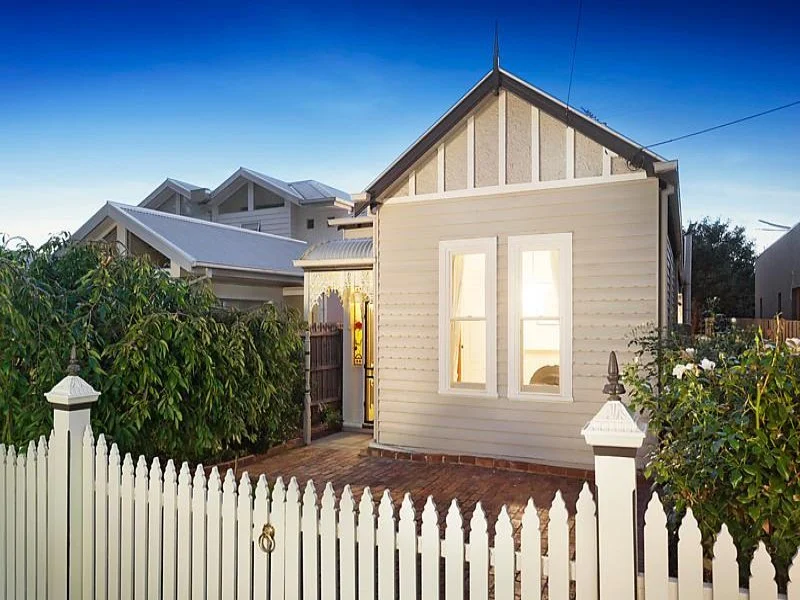
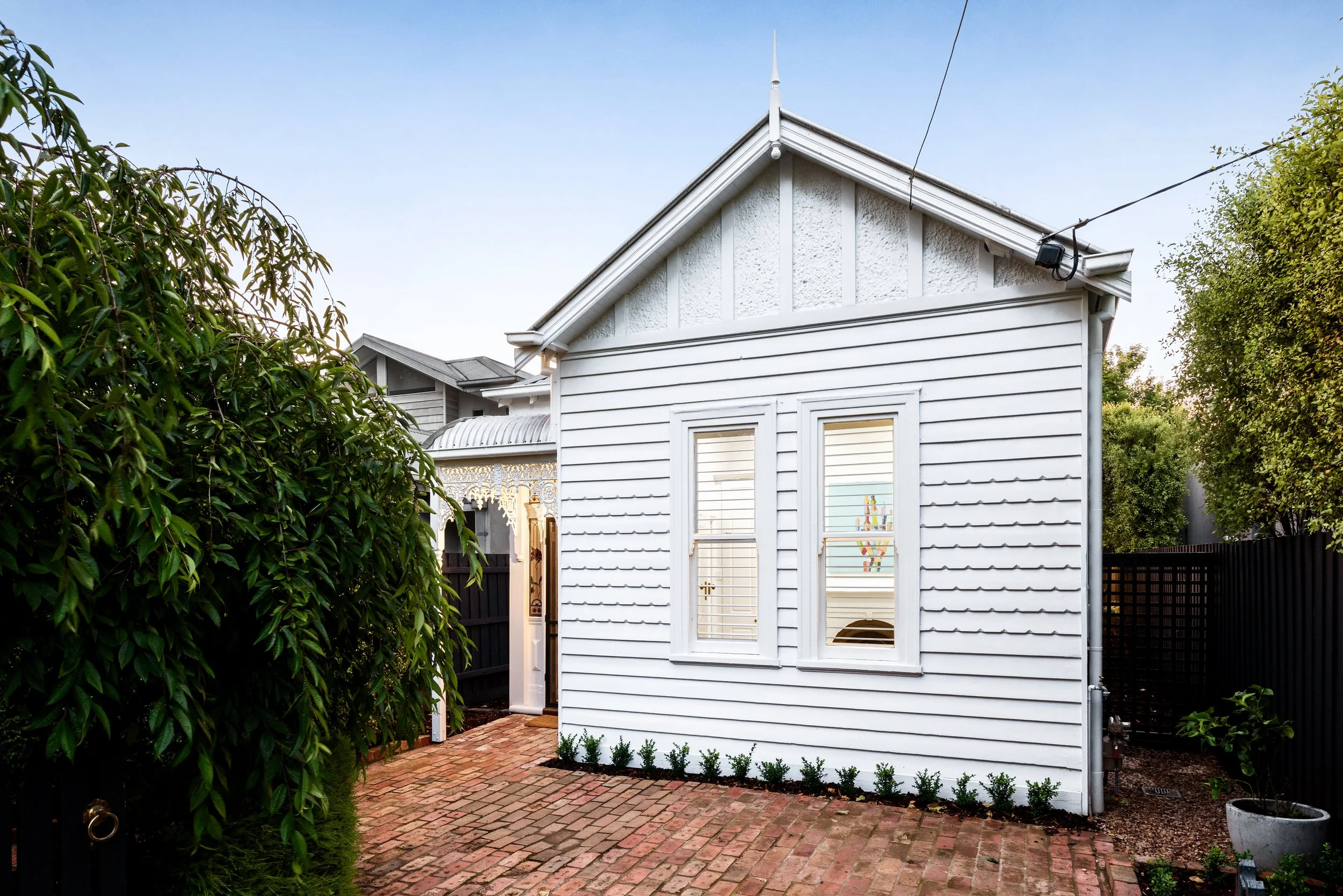
From the street, the Fulham Road home presents exactly as it should — modest, composed, and unmistakably of its era. Like many period homes in Alphington, it sits within a heritage overlay that protects its character while quietly limiting what can be changed.
Behind the façade, however, the house no longer supported the way the owners lived. The rear addition felt disconnected, internal spaces lacked cohesion, and there was little relationship between indoors and out. The home had good bones — but not a clear future.
The brief was not to reinvent the front of the house. It was to re-work the home as a whole, integrating old and new in a way that felt calm, resolved, and genuinely liveable.
Designing Within a Heritage Overlay
Heritage overlays don’t demand restraint — they demand clarity.
From the outset, this project required a design response that respected the original dwelling while allowing a contemporary extension to express itself honestly. The goal was never imitation. Instead, the new work would be deliberately secondary, clearly modern, and quietly confident in its role.
Key principles guided the approach:
Retain and restore the original front rooms and façade
Preserve the scale and proportion of the heritage dwelling
Ensure the extension remained visually recessive from the street
Allow modern materials and detailing to sit comfortably alongside the old
By addressing heritage considerations early, the design process remained purposeful — avoiding compromise later.
Re-shaping the Home From the Inside Out
Internally, the transformation is significant — not through excess, but through refinement.
Where the original layout felt segmented, the re-designed plan introduces a strong sense of flow. The home now opens gradually from the heritage rooms at the front into a light-filled contemporary extension at the rear, creating a clear spatial narrative rather than a sudden shift.
Subtle transitions do the work:
Clean junctions between old and new
Consistent ceiling heights and sightlines
A restrained material palette that allows light to lead
The result is a home that feels intuitive to move through — familiar at the front, expansive at the rear.
A Contemporary Extension Designed for Everyday Living
The rear extension forms the new heart of the home.
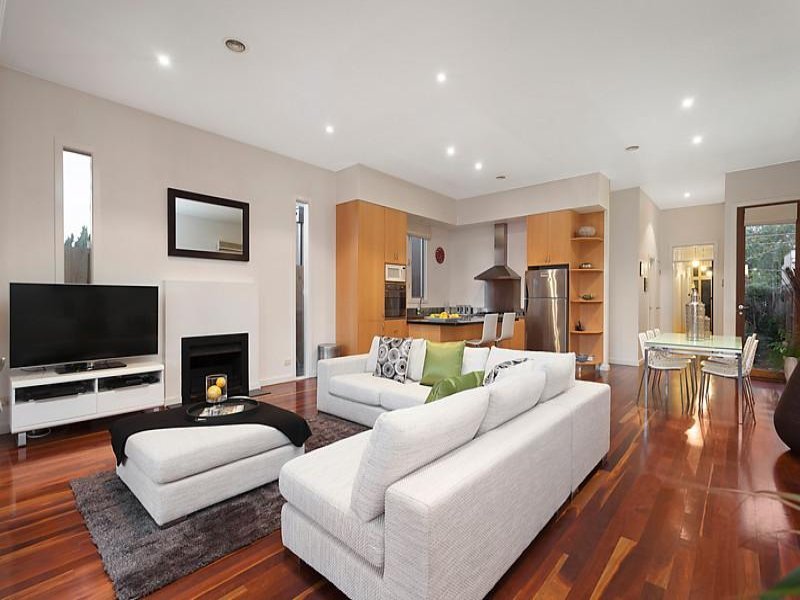
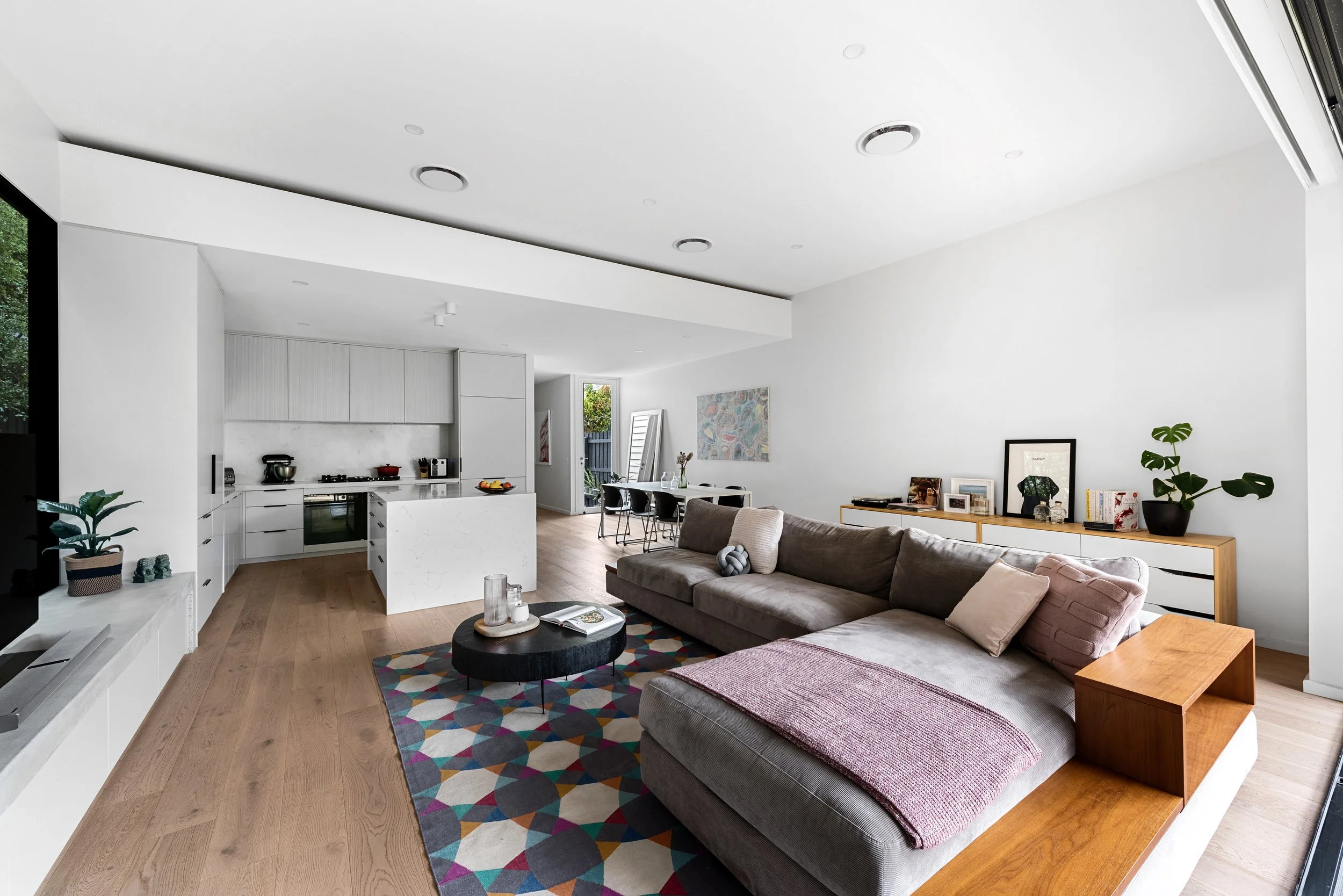
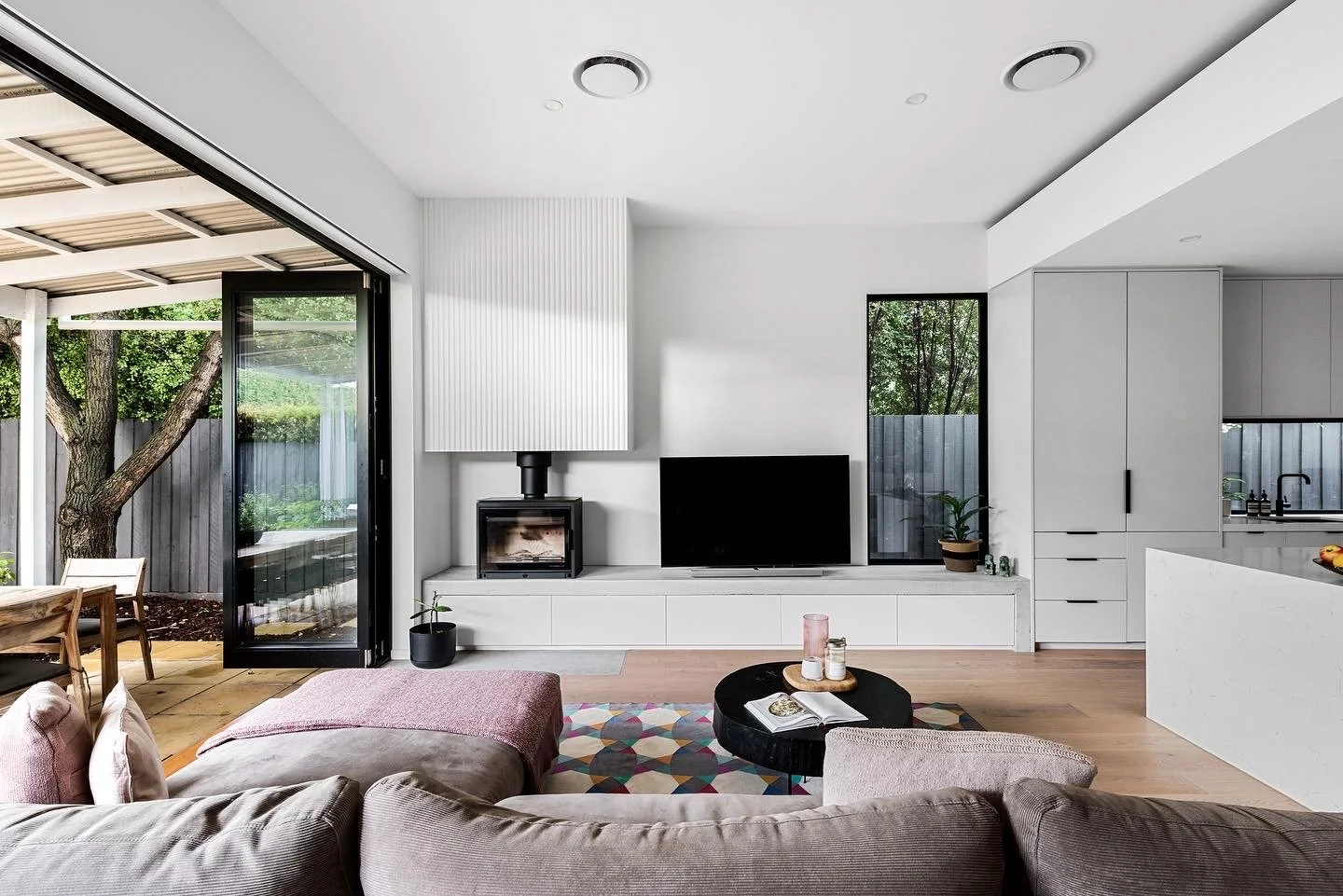
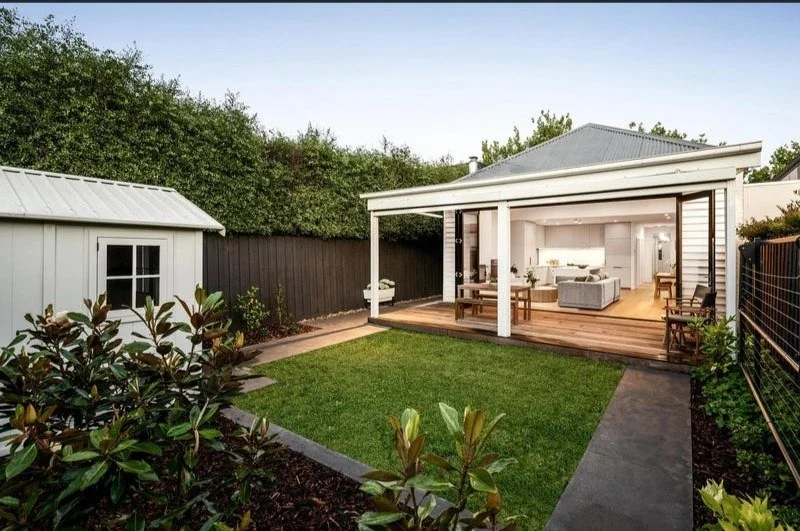
A generous open-plan kitchen, living and dining zone connects directly to the garden, creating a space designed around everyday use rather than occasional entertaining. Large openings draw the outdoors in, while maintaining privacy and comfort.
The kitchen is deliberately understated — functional, refined, and integrated into the architecture rather than dominating it. Storage is resolved cleanly, finishes are tactile rather than showy, and circulation around the space feels natural.
A central fireplace anchors the living zone, providing warmth and visual balance without interrupting flow. It’s a feature that feels intentional — not decorative, but grounding.
Bathrooms and Private Spaces, Elevated
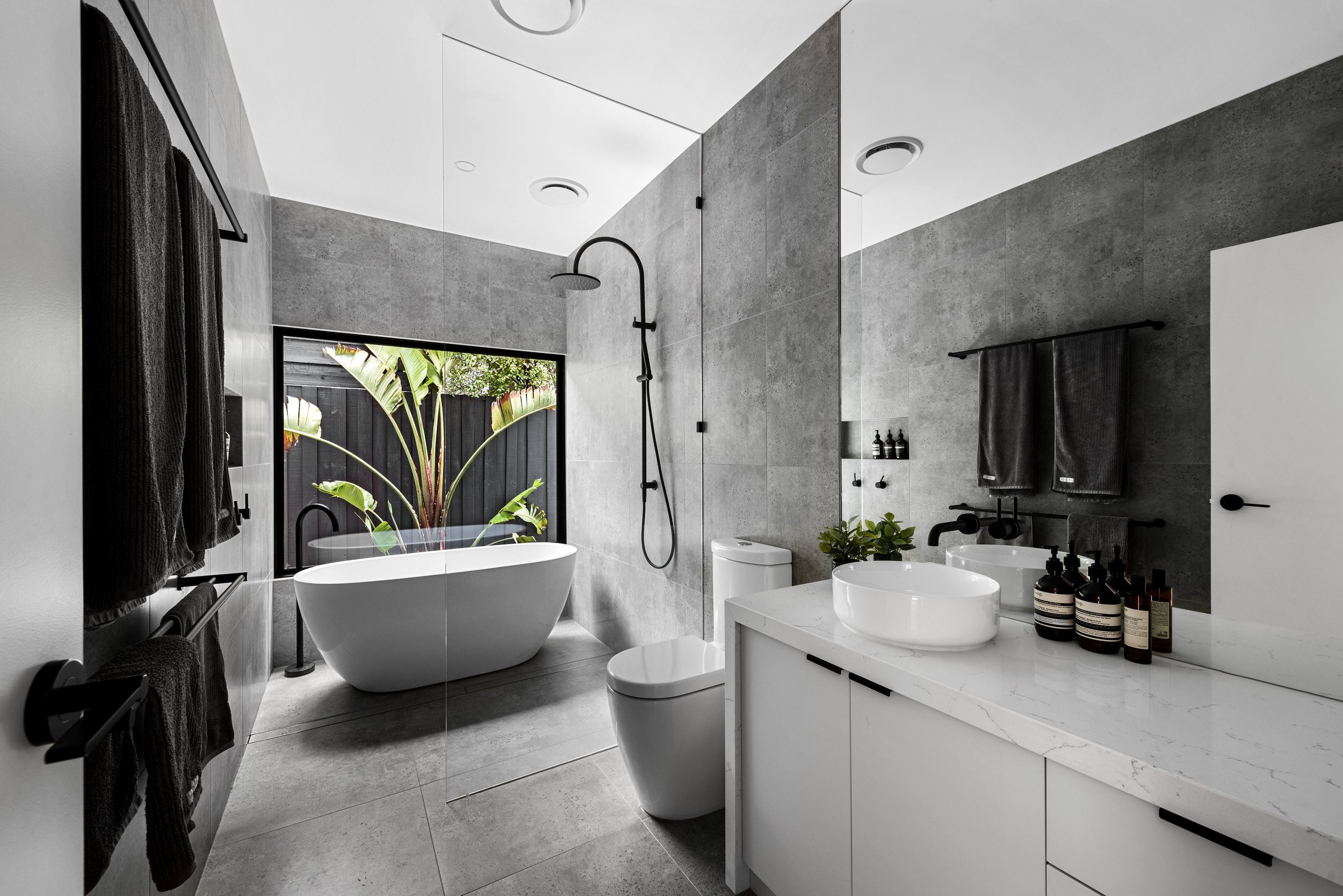
The bathrooms reflect the same design philosophy seen throughout the home: quiet luxury through proportion, light, and material selection.
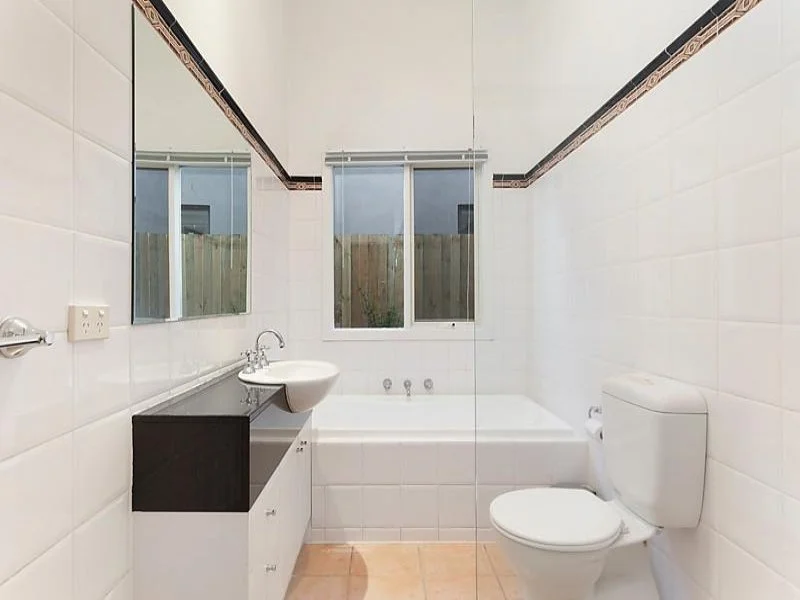
In the main bathroom, the layout prioritises calm and clarity. A freestanding bath is positioned to capture light and garden outlooks, while fixtures and finishes remain restrained and timeless. Nothing competes for attention — the space simply works.
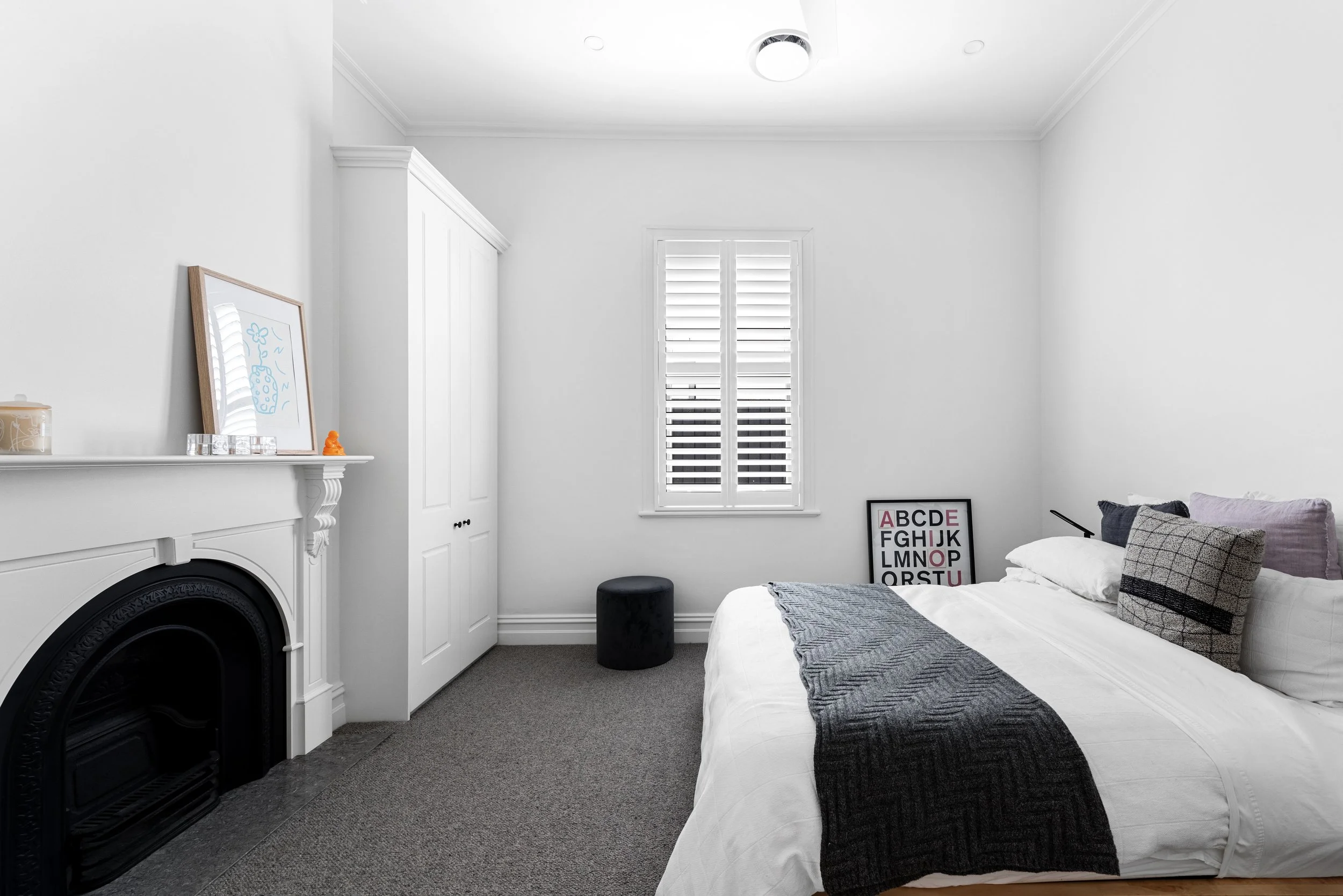
Bedrooms retain their heritage character where appropriate, with restored fireplaces, improved storage, and soft, neutral finishes that allow the architecture to breathe. These rooms feel connected to the past, without feeling dated.
Outdoor Connection Without Overstatement
The relationship between inside and outside was a key driver of the redesign.
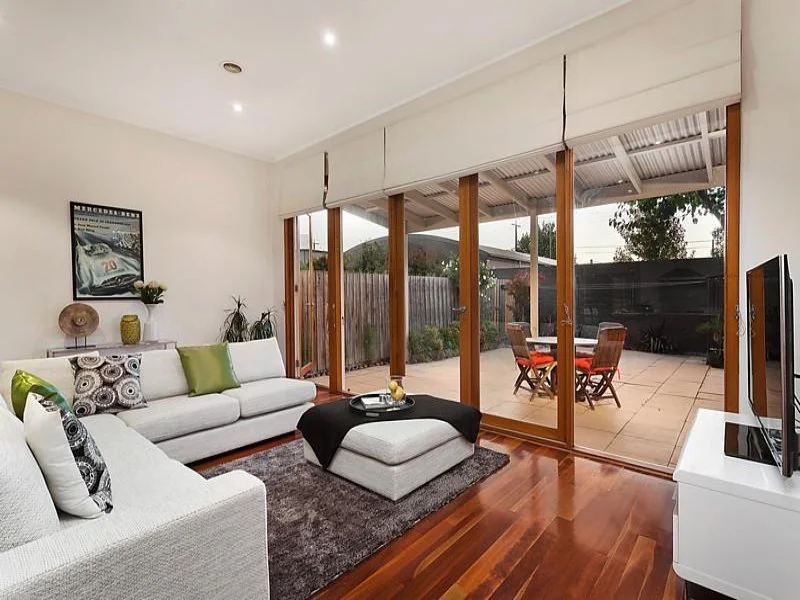
Rather than a dramatic gesture, the extension opens naturally onto the garden, creating a sense of continuity. The outdoor areas feel usable year-round — not an afterthought, but an extension of the living space itself.
Landscaping and hardscaping were kept simple, reinforcing the home’s calm, considered tone.
A Cohesive Design + Build Outcome
What sets the Fulham Road project apart is not any single design feature, but the cohesion of the whole.
By managing both design intent and construction delivery, Dreamline Homes ensured:
Heritage requirements were respected without limiting liveability
Design decisions translated cleanly on site
The finished home felt resolved, not pieced together
This is a renovation that doesn’t announce itself loudly. It rewards closer inspection — and more importantly, daily use.
A Heritage Home With a Clear Future
Fulham Road demonstrates what’s possible when heritage homes are approached with respect rather than hesitation.
The original dwelling remains intact and recognisable. The extension feels modern but measured. And the home now supports the way its owners live — comfortably, practically, and for the long term.
For homeowners in Alphington navigating heritage overlays, this project shows that thoughtful design and build can deliver clarity instead of compromise.
Considering a Heritage Renovation in Alphington?
If you’re planning a renovation or extension to a heritage home and want a process that balances character, function, and architectural restraint, Fulham Road is a clear example of how Dreamline Homes approaches these projects — carefully, collaboratively, and with long-term value in mind.